

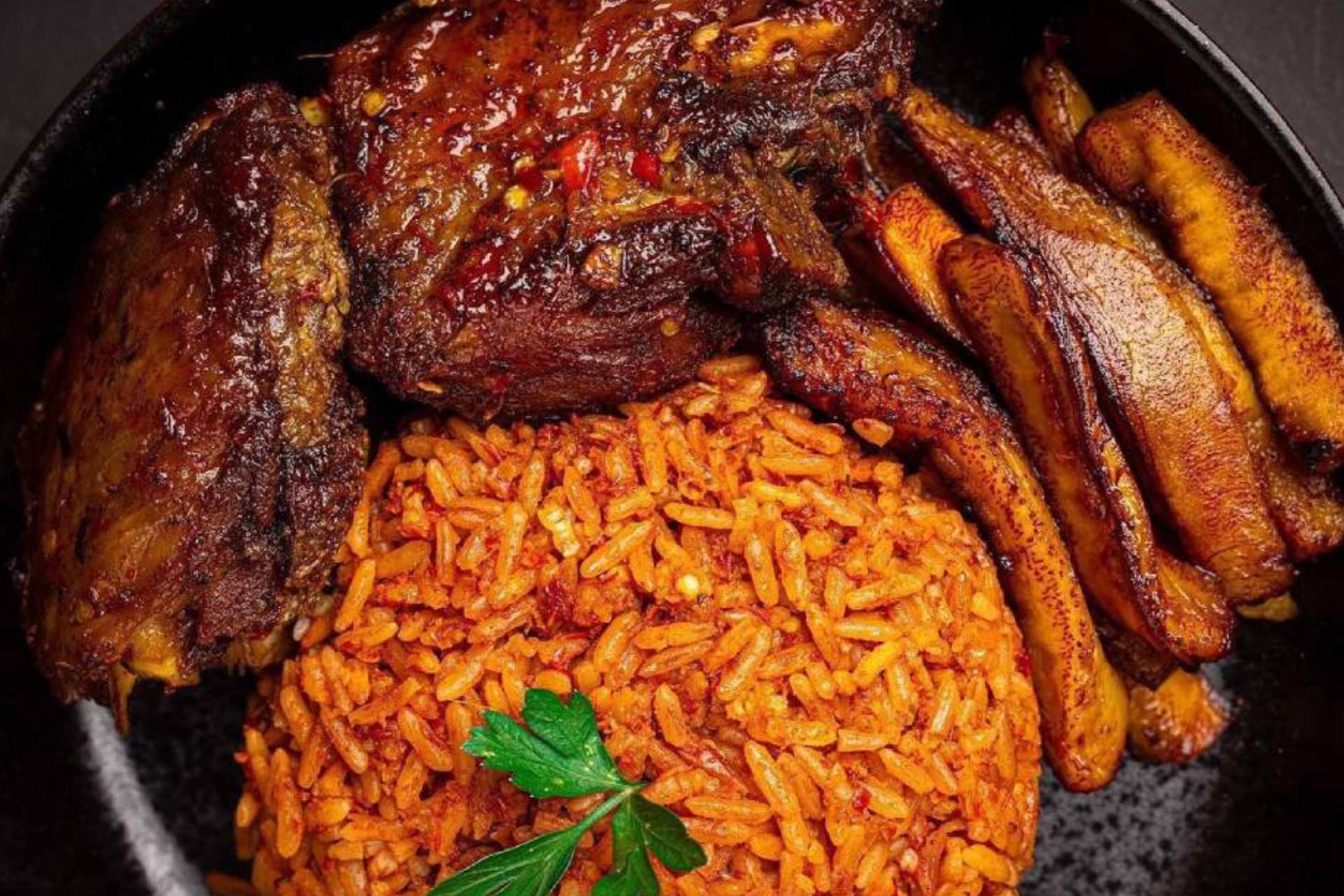
Jollof Rice is one of West Africa’s most celebrated dishes — rich, vibrant, and deeply rooted in history and cultural pride.
Origins in the Senegambia Region
Jollof rice traces its roots to the ancient Senegambia area (modern-day Senegal and The Gambia). It is believed to have originated from the Wolof people, particularly during the era of the Jolof Empire (14th–16th century).
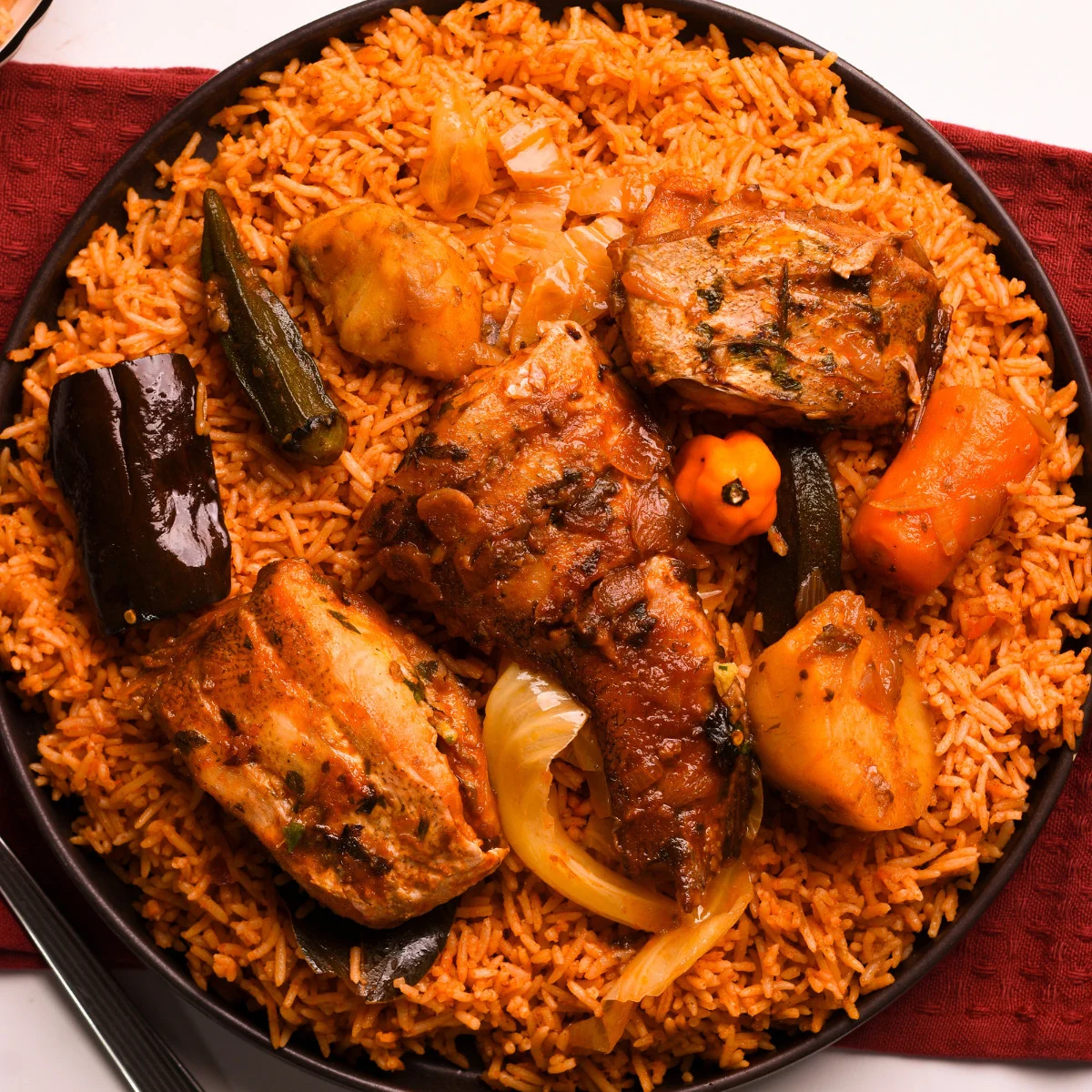
The original dish was known as “Ceebu Jën” (Thieboudienne), a Wolof rice dish cooked with fish, vegetables, and tomato-based sauce. Over time, this dish evolved and spread across West Africa through trade, migration, and colonial interactions.
Choices to take a holiday and travelling out in this pandemic situation are limited. Why not take a stay action on quality design.
Rosalina D. William
Setting the mood with incense
Spread Across West Africa
As trade routes expanded and communities interacted, the dish adapted to local tastes and ingredients. Portuguese traders introduced tomatoes and peppers to West Africa in the 15th century, which became central to modern Jollof rice.
Different countries developed their own versions:
Senegal – Home of the original Wolof-style rice dishes.
Nigeria – Known for party-style smoky “party Jollof,” often cooked over firewood.
Ghana – Famous for fragrant basmati-based Jollof.
Sierra Leone – Has a spicier, deeply seasoned variation.
Liberia – Features palm oil influence in some versions.
The “Jollof Wars”
In modern times, especially between Nigeria and Ghana, there is a friendly but intense rivalry over who makes the best Jollof rice. This debate, popularly called the “Jollof Wars,” has become a cultural phenomenon across Africa and the diaspora.
Cultural Significance
Jollof rice is more than food — it represents:
- Celebration (weddings, birthdays, church programs, naming ceremonies)
- Hospitality
- Cultural identity
- National pride
In many African homes, especially in countries like Nigeria and Ghana, no major event is complete without a large pot of Jollof.
Modern Global Influence
Today, Jollof rice is enjoyed worldwide — in African diaspora communities in the UK, US, and beyond. It has appeared in international food festivals and global culinary discussions, solidifying its place as one of Africa’s most iconic dishes.